


Introduction
Best Password Manager are the key to your online life. Yet, I’ve personally seen people reuse weak Best passwords Managers across multiple accounts, only to get locked out or hacked. The truth is, remembering dozens of strong, unique passwords is nearly impossible—but this is where Best password managers come in.
Learning to use a password manager is no longer just for tech experts—it’s a beginner-friendly way to improve online security instantly. This guide covers the best password managers for beginners, explains their features, and shows how to use them effectively. No jargon, no confusion—just practical advice that keeps your accounts safe.
Why You Need a Password Manager

Even strong passwords can fail if you:
Reuse them across sites
Write them down unsafely
Forget them entirely
Password managers help you:
Generate complex passwords automatically
Store credentials securely
Auto-fill login details safely
Reduce the risk of hacking and phishing attacks
Internal link: How to Protect Personal Data Online
Features to Look for in a Beginner-Friendly Password Manager
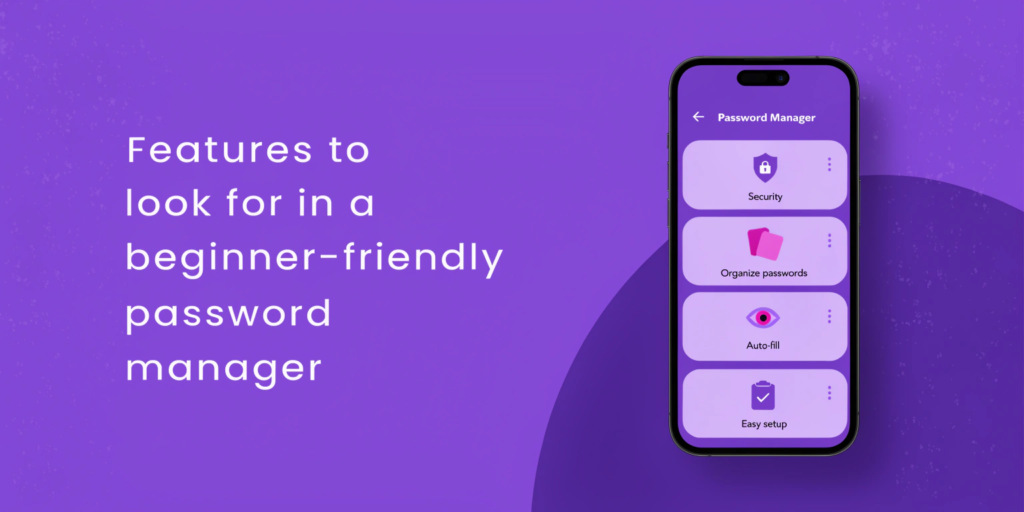
Ease of Use: Simple interface for beginners
Cross-Device Sync: Works on PC, mobile, and browser
Strong Encryption: AES-256 standard for top security
Password Generator: Create complex passwords easily
Secure Backup & Recovery: Never lose access
Best Password Managers for Beginners (2025 Picks)
1. LastPass (Best Free Option)
Pros:
Free version available
Browser extensions and mobile apps
Generates strong passwords
Cons:
Occasional interface updates can confuse beginners
Ideal for: Users starting with password management without paying upfront.
2. 1Password (Best All-Around for Security)
Pros:
Very strong encryption
Watchtower alerts for breached accounts
Easy cross-device sync
Cons:
Paid subscription only
No free plan
Ideal for: Users who want a secure, polished experience.
3. Bitwarden (Best Open-Source & Free Option)
Pros:
Open-source and transparent
Free version includes unlimited devices
Affordable premium plan
Cons:
Beginner interface slightly less polished
Ideal for: Users who prioritize privacy and open-source solutions.
4. Dashlane (Best for Extra Security Features)
Pros:
Built-in VPN and dark web monitoring
Password health reports
Auto-change passwords on some websites
Cons:
Free version limited to 50 passwords
Paid plan is relatively expensive
Ideal for: Users who want all-in-one security management.
5. Keeper (Best for Families)
Pros:
Family plan options
Breach monitoring alerts
Easy sharing of passwords securely
Cons:
No free version
Premium can be pricey
Ideal for: Families or small teams managing multiple accounts.
How to Get Started with a Password Manager
Install the Manager
Download from official site or app store.
Create a Master Password
Make it long, unique, and memorable—this is the only password you’ll need to remember.
Import Existing Passwords
Most managers allow you to import saved passwords from browsers.
Enable Two-Factor Authentication
Adds an extra security layer.
Start Generating Strong Passwords
Replace weak or reused passwords gradually.
Internal link: How to Identify Online Scams
Common Mistakes Beginners Make
Using simple master passwords
Storing master password in browsers or notes
Ignoring security alerts
Forgetting to back up vault
Extra Tips for Maximum Password Security
Use unique passwords for sensitive accounts (banking, email)
Review password health regularly
Enable two-factor authentication wherever possible
Avoid sharing passwords via email or messaging
Internal link: Online Privacy Tips for Beginners
FAQs (Schema-Ready)
Q1: Can I rely on browser password storage instead?
No. Dedicated password managers are more secure and feature-rich.
Q2: Are free password managers safe?
Yes, reputable free options like LastPass and Bitwarden are secure.
Q3: What if I forget my master password?
Most managers offer recovery options, but it varies by provider.
Q4: Can a password manager protect me from phishing?
Yes, auto-fill features prevent entering credentials on fake websites.
Q5: Should I use one password manager for all devices?
Yes, cross-device sync ensures convenience and security.