
Introduction
A few years ago, artificial intelligence felt like something limited to sci-fi movies. Today, it’s helping us write, design, learn, drive, and even make decisions. I remember when voice assistants barely understood simple commands—now AI can generate images, write code, and diagnose problems in seconds. This rapid shift makes one question unavoidable: where is AI really heading?
In this guide, we explore the future of artificial intelligence and emerging technologies, breaking down what’s coming next in a practical, easy-to-understand way. From smarter automation to ethical AI, these technologies will shape how we work, learn, and live. Whether you’re a student, professional, or tech enthusiast, understanding these trends today helps you stay relevant tomorrow.
What Are Emerging Technologies?
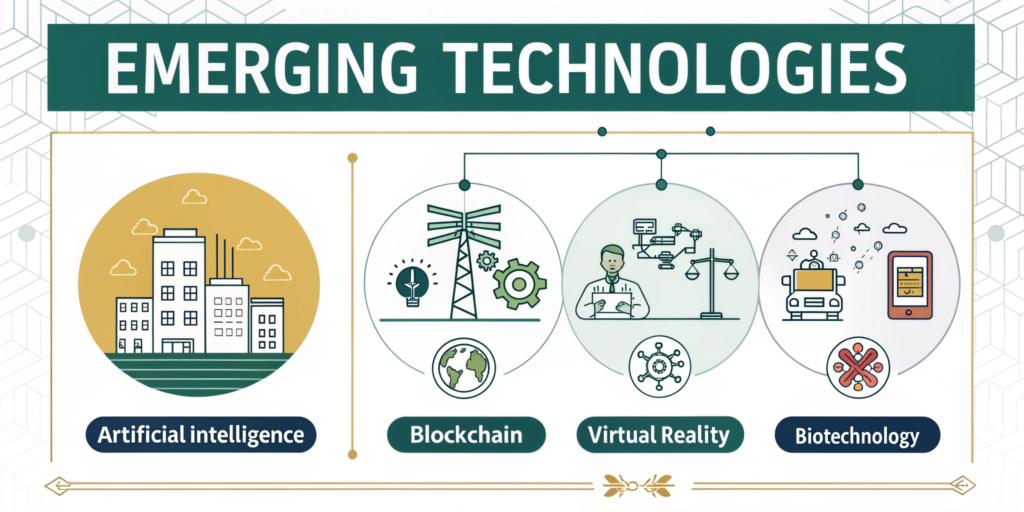
Emerging technologies are innovations that are:
Rapidly evolving
Not yet fully mainstream
Capable of disrupting industries
Examples include:
Artificial Intelligence
Machine Learning
Blockchain
Augmented Reality
Quantum Computing
AI is the backbone powering most of these technologies.
How Artificial Intelligence Will Evolve in the Future
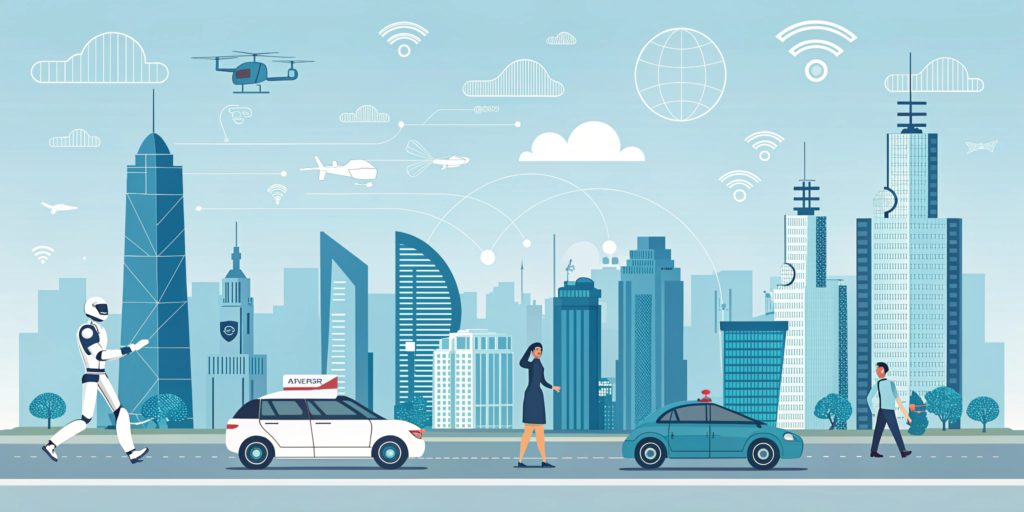
The future of AI will focus on:
Better reasoning and accuracy
Human-like understanding
Responsible and ethical design
AI systems will move from assistive tools to intelligent collaborators.
From Narrow AI to General AI
Today’s AI is narrow—it performs specific tasks.
Future AI aims to:
Understand context
Learn independently
Adapt across domains
General AI is still years away, but progress is steady.
Impact of AI on Jobs and Careers
AI will:
Automate repetitive tasks
Create new job roles
Change how work is done
Jobs Most Affected:
Data entry
Customer support
Routine analysis
Jobs That Will Grow:
AI engineers
Data analysts
Cybersecurity experts
Internal link: Best AI Tools for Productivity & Automation
The key is skill adaptation, not fear.
AI in Daily Life (What to Expect)
In the near future, AI will:
Personalize education
Improve healthcare diagnosis
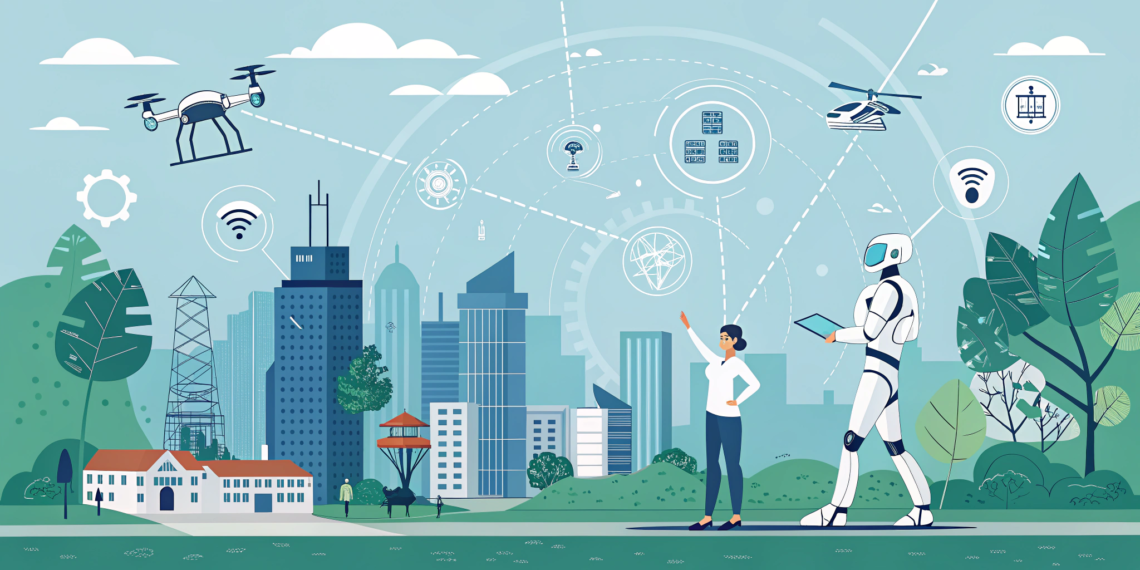
Power smart homes and cities
Enhance online security
Internal link: Best AI Tools for Students
Ethical Challenges of Artificial Intelligence
Major concerns include:
Data privacy
Algorithm bias
Job displacement
Misuse of AI
Responsible AI development focuses on:
Transparency
Fairness
Human oversight
Internal link: How to Protect Personal Data Online
Can AI Be Trusted in the Future?
Yes—but with safeguards:
Strong regulations
Ethical guidelines
Human-in-the-loop systems
Governments and tech companies are already working on AI governance frameworks.
Other Emerging Technologies to Watch
1. Quantum Computing
Solves complex problems faster
Will enhance AI capabilities
2. Extended Reality (AR/VR)
Virtual training
Immersive education
3. Blockchain Integration
Secure AI data
Transparent decision systems
These technologies will work together, not separately.
Common Myths About the Future of AI
AI will replace all humans
AI will think like humans soon
AI works without data
Truth:
AI enhances human ability—it doesn’t replace it.
FAQs
Q1: What is the future of artificial intelligence?
AI will become more accurate, ethical, and integrated into daily life.
Q2: Will AI replace human jobs?
AI will replace tasks, not humans.
Q3: Is AI dangerous?
Only if misused—responsible design reduces risks.
Q4: Which industries will benefit most from AI?
Healthcare, education, finance, and technology.
Q5: How can individuals prepare for AI future?
Learn digital skills and adapt continuously.
Q6: Is AI regulated?
Regulations are increasing worldwide.